Unveiling the Secrets of Blue Zones: What Centenarians Share and Don't
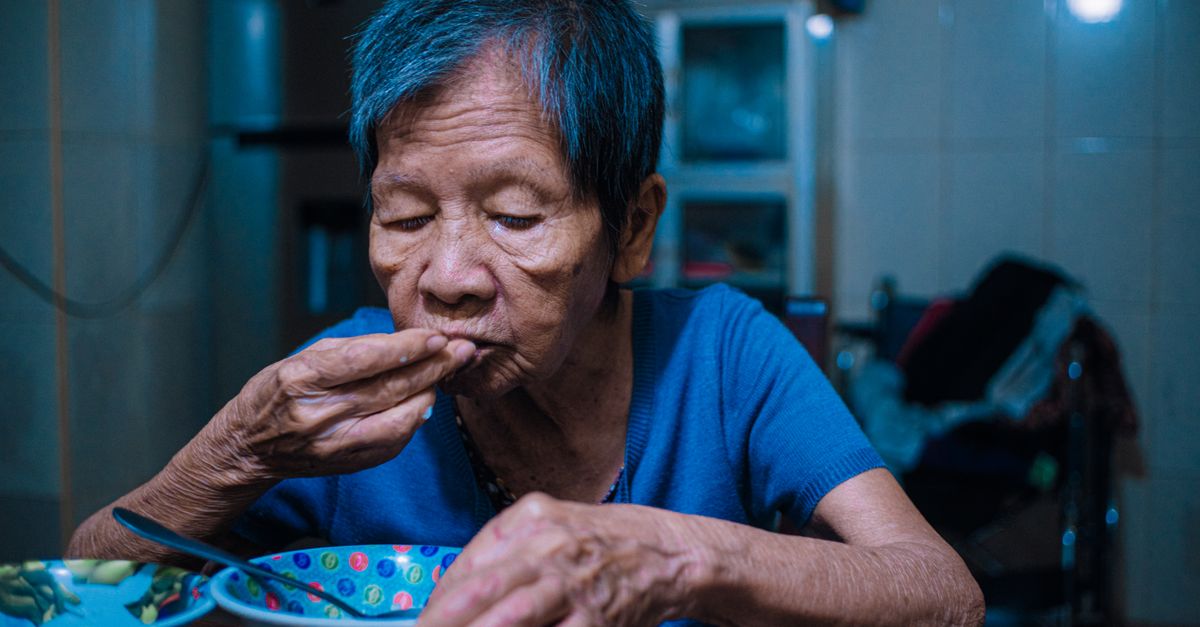
Introduction to Blue Zones
Blue Zones are regions of the world identified for their high concentration of centenarians—people who live to 100 years or more. Notable Blue Zones include Okinawa in Japan, Sardinia in Italy, Nicoya in Costa Rica, Ikaria in Greece, and Loma Linda in California. Researchers have studied these areas to uncover the lifestyle choices, diets, and environmental factors that contribute to longevity. This article delves into the shared traits of these regions while also highlighting their unique differences.
Common Traits Among Blue Zones
1. Plant-Based Diets
One of the most significant commonalities among Blue Zones is a predominantly plant-based diet. Residents in these regions consume a variety of fruits, vegetables, legumes, whole grains, and nuts. For instance:
- Okinawa: A diet rich in sweet potatoes, soy products, and green leafy vegetables.
- Sardinia: A focus on whole grains, beans, and locally grown vegetables.
- Ikaria: Consumption of wild greens, beans, and a moderate intake of dairy.
These diets are not only nutrient-dense but also low in processed foods and sugars, which are linked to chronic diseases.
2. Active Lifestyles
People in Blue Zones tend to lead physically active lives. Daily movement is integrated into their routines rather than viewed as a chore. Common activities include:
- Walking or biking for transportation
- Gardening and farming
- Participating in community events that involve physical activity
This consistent physical activity contributes to their overall health and longevity.
3. Strong Social Connections
Social ties play a crucial role in the lives of those in Blue Zones. They often live in tight-knit communities that prioritize family and friendships. This social support provides emotional stability and encourages healthy behaviors. Research indicates that strong social connections can lead to a longer life by reducing stress and promoting healthy habits.
4. Purpose and Spirituality
Having a sense of purpose, often referred to as 'ikigai' in Japan or 'plan de vida' in Nicoya, is a common thread among Blue Zone residents. This sense of purpose can motivate individuals to engage in meaningful activities, fostering both mental and physical well-being. Additionally, many in these regions practice spirituality or have a religious affiliation, which contributes to their happiness and coping mechanisms.
Diverse Practices and Unique Characteristics
1. Dietary Variations
While plant-based diets are a common theme, the specific foods and dietary practices can vary significantly. For example:
- Okinawa: Known for its high consumption of sweet potatoes and tofu.
- Sardinia: Features a unique cheese called Pecorino Sardo, which is high in omega-3 fatty acids.
- Nicoya: Emphasizes corn tortillas and beans, along with a high intake of tropical fruits.
These regional diets reflect local agriculture, culture, and traditions, showcasing the diversity within the shared emphasis on plant-based nutrition.
2. Alcohol Consumption
Alcohol consumption habits also vary among Blue Zones. For instance, residents of Sardinia often consume red wine in moderation, which is believed to have cardiovascular benefits. In contrast, Ikarians are known for their herbal teas and moderate wine consumption, while the Loma Linda community tends to abstain from alcohol altogether. These differences highlight that the effects of alcohol on longevity may depend on cultural context and quantity.
3. Sleep and Rest
Rest and recovery play a vital role in the longevity of Blue Zone inhabitants. Many practice daily rituals that encourage relaxation and rest, such as taking naps or engaging in leisurely activities. For example, Ikarians are known for their afternoon siestas, which may contribute to lower rates of chronic diseases and improved mental health.
Conclusion: Lessons from Blue Zones
The study of Blue Zones offers valuable insights into the factors contributing to longevity. While there are shared traits such as plant-based diets, active lifestyles, strong social connections, and a sense of purpose, the unique cultural practices and dietary variations highlight the complexity of longevity. By adopting some of these principles into our own lives—such as prioritizing plant-based foods, fostering social connections, and finding meaningful activities—we may enhance our health and well-being as we age. Emphasizing that longevity is a multifaceted journey, we can take inspired steps toward a longer, healthier life.
✓ Key takeaways
- •Evidence-graded view of Unveiling the Secrets of Blue Zones: What Centenarians Share and Don't inside our Blue Zones library.
- •Mechanism is interesting; the bar for inclusion here is human outcome data.
- •Stacked basics - sleep, Zone 2, strength, nutrition - still outperform any single intervention.
Related articles
More in Blue Zones →

